
Rose Water from the Mountains of Oman
As you read this, Roses are being picked from the mountain side terrace gardens of Jabal AlAkhdar, and being distilled into Rose Water.
Abu Jamal “Mohammad Bin Nassir Awlad Thani” who we met by chance as we were exploring the area gracefully walked us through his rose gardens before inviting us to his house for coffee.
Welcoming, hospitable, ever smiling and graceful as guided us through the rose bushes planted on the magnificent terraces followed by a brief tour of the AlSharijah Village before inviting us to his house for traditional Omani coffee.
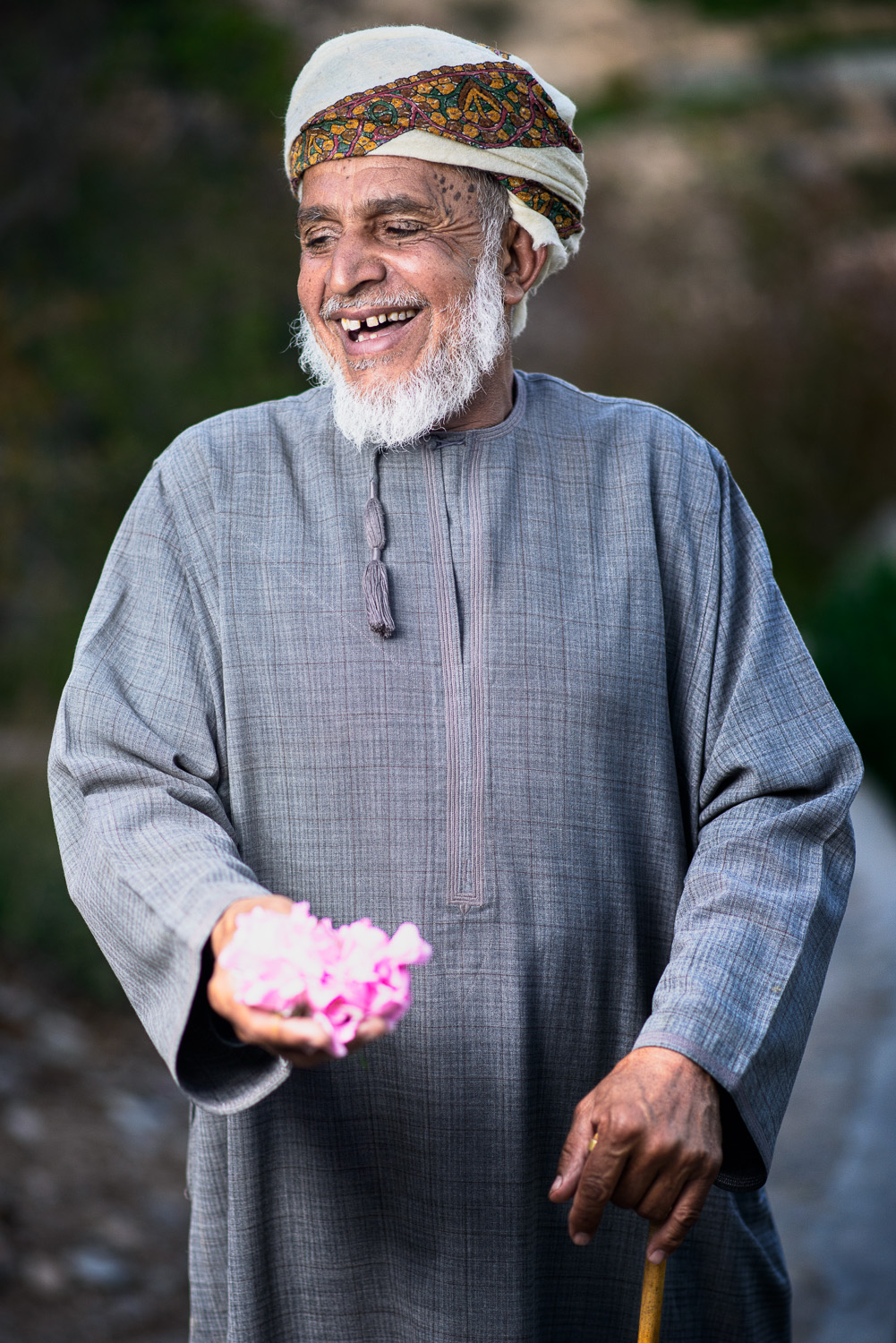
Abu Jamal offering us some fragrant Omani Roses from his Rose garden in Jabal Akhdar
Following is an interesting article from Arab News Web site about Rose Water production
“People from the nearby Gulf regions make it a point to visit Al-Jabal Al-Akhdar to buy in bulk the rose water, which is of good quality. They also enjoy watching the traditional rose water distillation process.
For several centuries, roses have been cultivated here and processed into rose water. Rose water was distilled by the Arabs as early as the ninth century when Al-Kindi wrote his “Kitab Kimya’ Al-‘Itr wa Al-Tas‘idat” (Book of Perfume Chemistry and Distillation), but the earliest source that claims to document the origin of attar as a derivative of rose water comes from India.
Rose water is used in medicinal, culinary and celebratory purposes. It enjoys wide popularity throughout the Middle East and is a must in every kitchen. It is particularly sought after during Ramadan when it is used in preparing the fast-breaking meal and during the two Eids when it is often employed as a flavoring in drinks, custards, jellies and other desserts. Rose water also offers a way to refine the socially ubiquitous glass of tea and Omani halwa. It even has a place in the preparation of traditional cosmetics. For example, black kohl (powdered antimony sulphide that is used like eyeliner throughout the Arabian Peninsula) is often mixed with rose water to make an applicable paste, which is said to aid impaired vision.”*
*Source http://www.arabnews.com/node/362465
Men of the earth #2
Omani farmer Husain Bin Said AlKhatri stands with pride in his land between the AlHajar Mountains of Oman that are visible behind him.
Farming has historically been and is still one of the key professions that Omanis practice.
This is one of the areas where farming is still practiced in a very traditional way, on a much smaller scale then the industrial farms in other parts of the country.
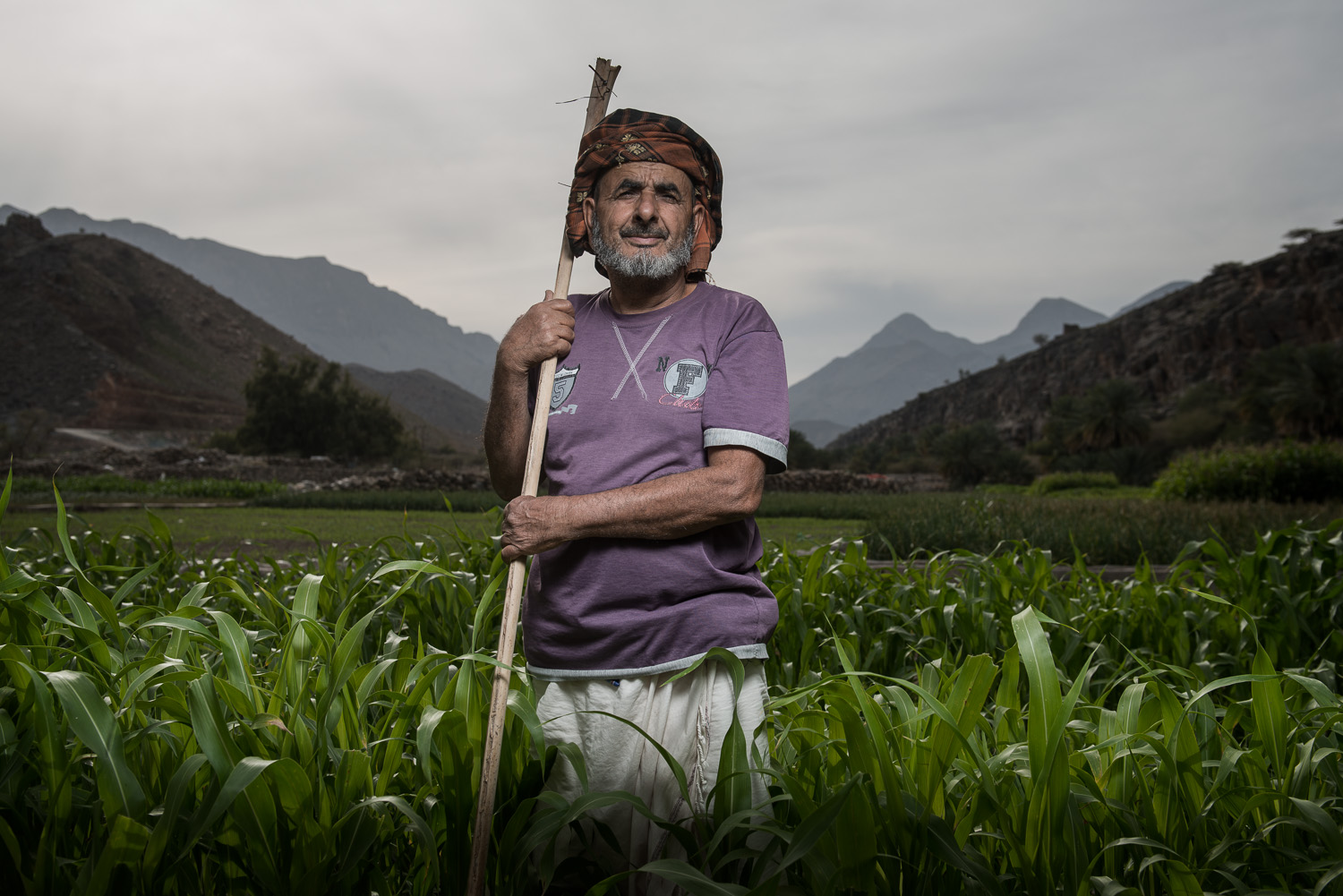
Photograph o f a Omani farmer at Wadi Ghul farms near AlHamra in AlDkhilya Region of Oman
Playful smile
Waleed lives in Jabal Shams, I asked him to pose for me for a few photographs while he was helping his brothers on their home garden.
I spent the whole morning trying to write something about this portrait and decided to leave it you to tell me what you think.
A friend raised an idea about photographing Waleed 10 years from now, some how this blog post would act a reminder for me to do so.

Waleed from Jabal Shams
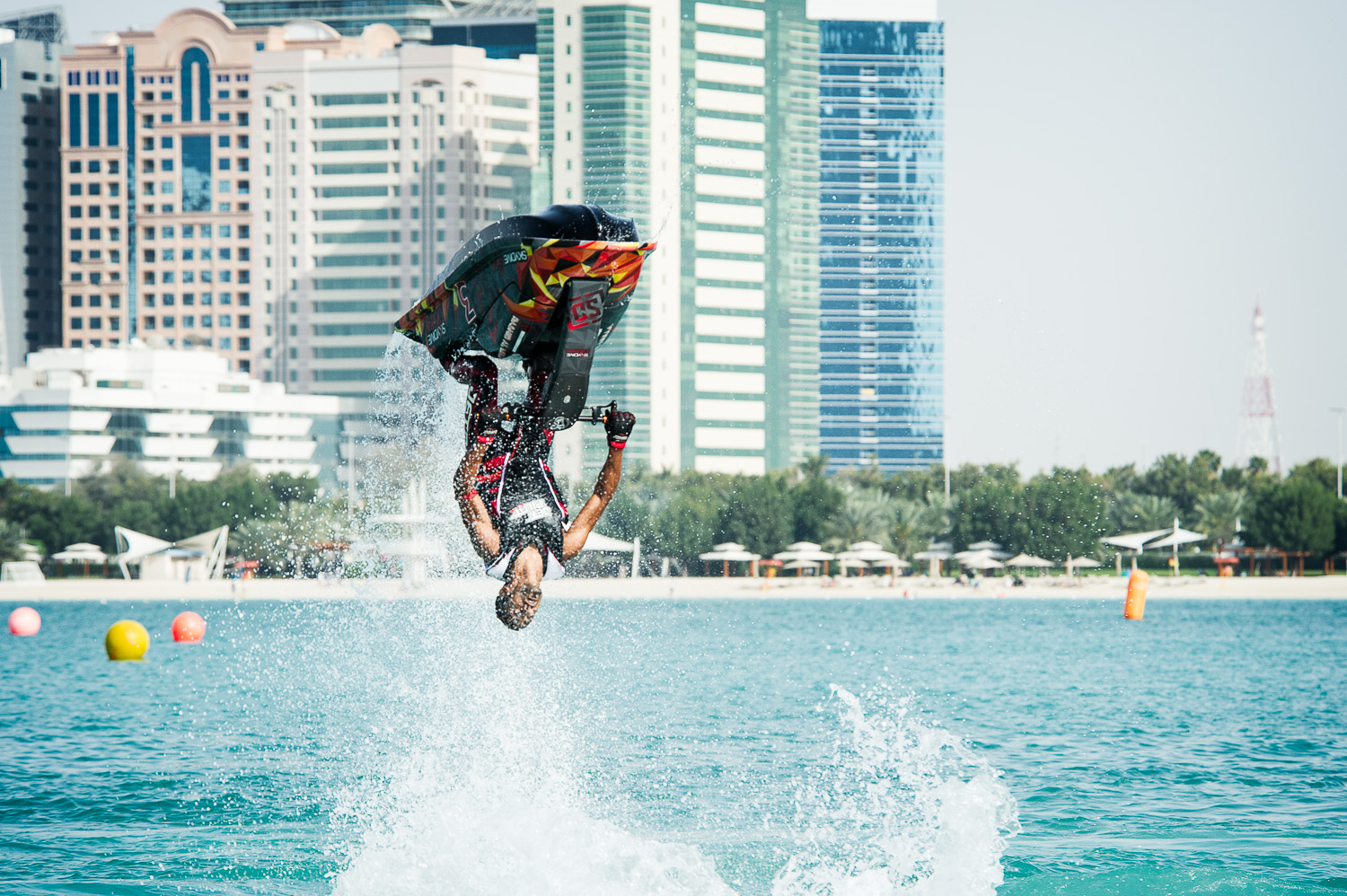
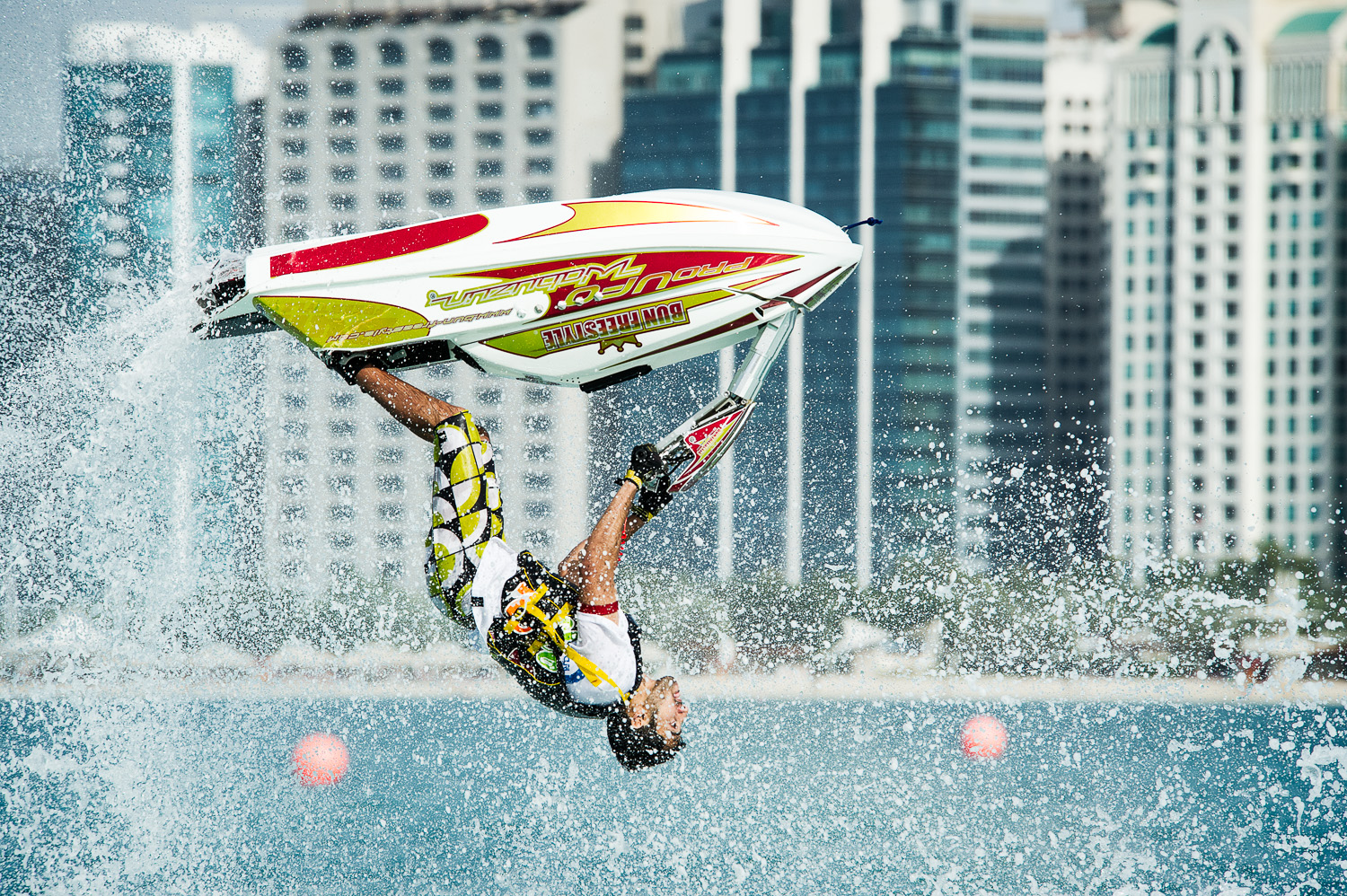
Abu Dhabi water action
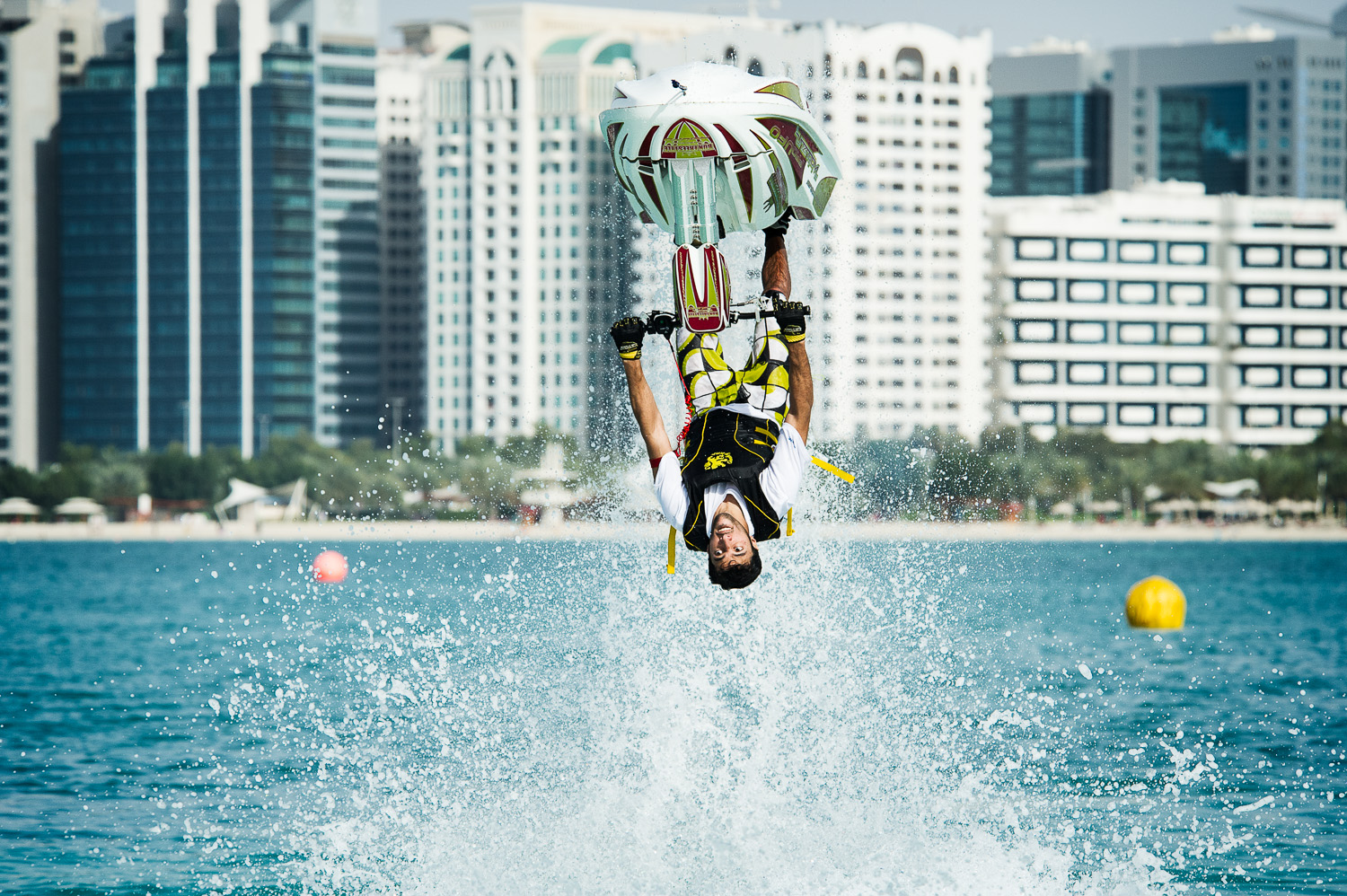
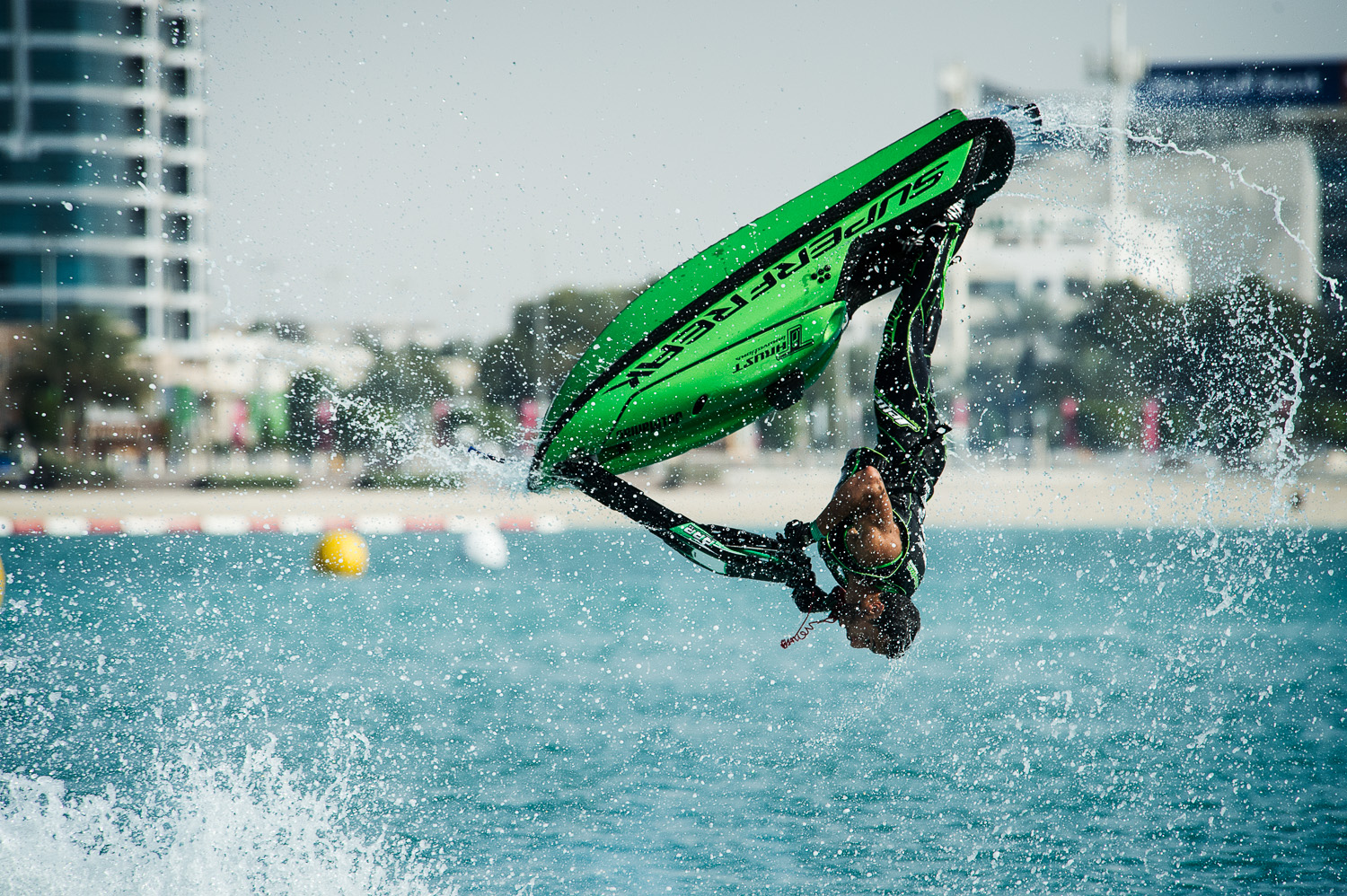
I spent yesterday afternoon in Abu Dhabi photographing a round of the Abu Dhabi Jet Ski races, went in with out clear expectations and a 400 MM zoom on a Nikon D3s.
Don’t think that the guys here only ride their jet skis upside down, I Just rally like the way these moves turned out and though I would keep a uniform set for the post.


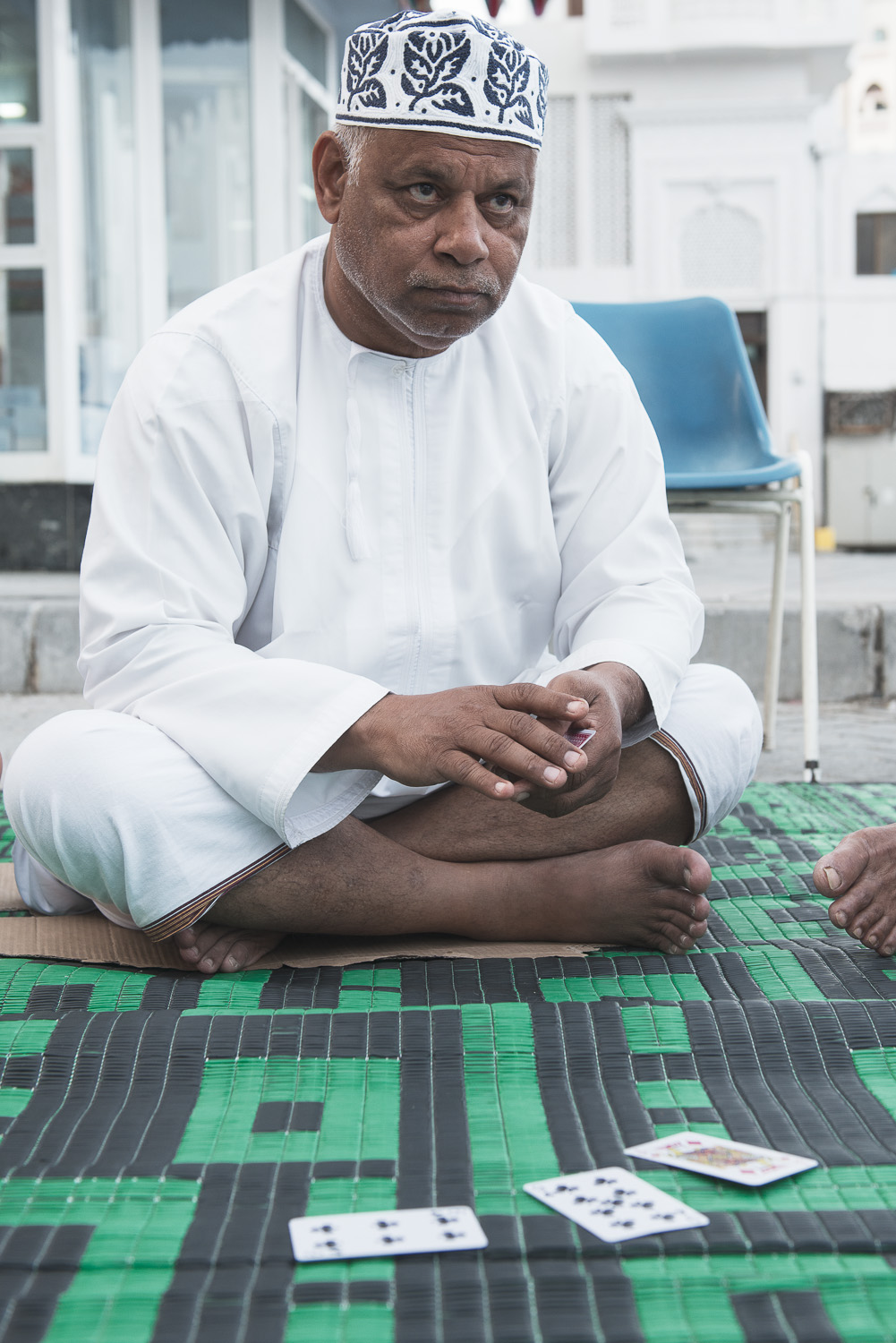
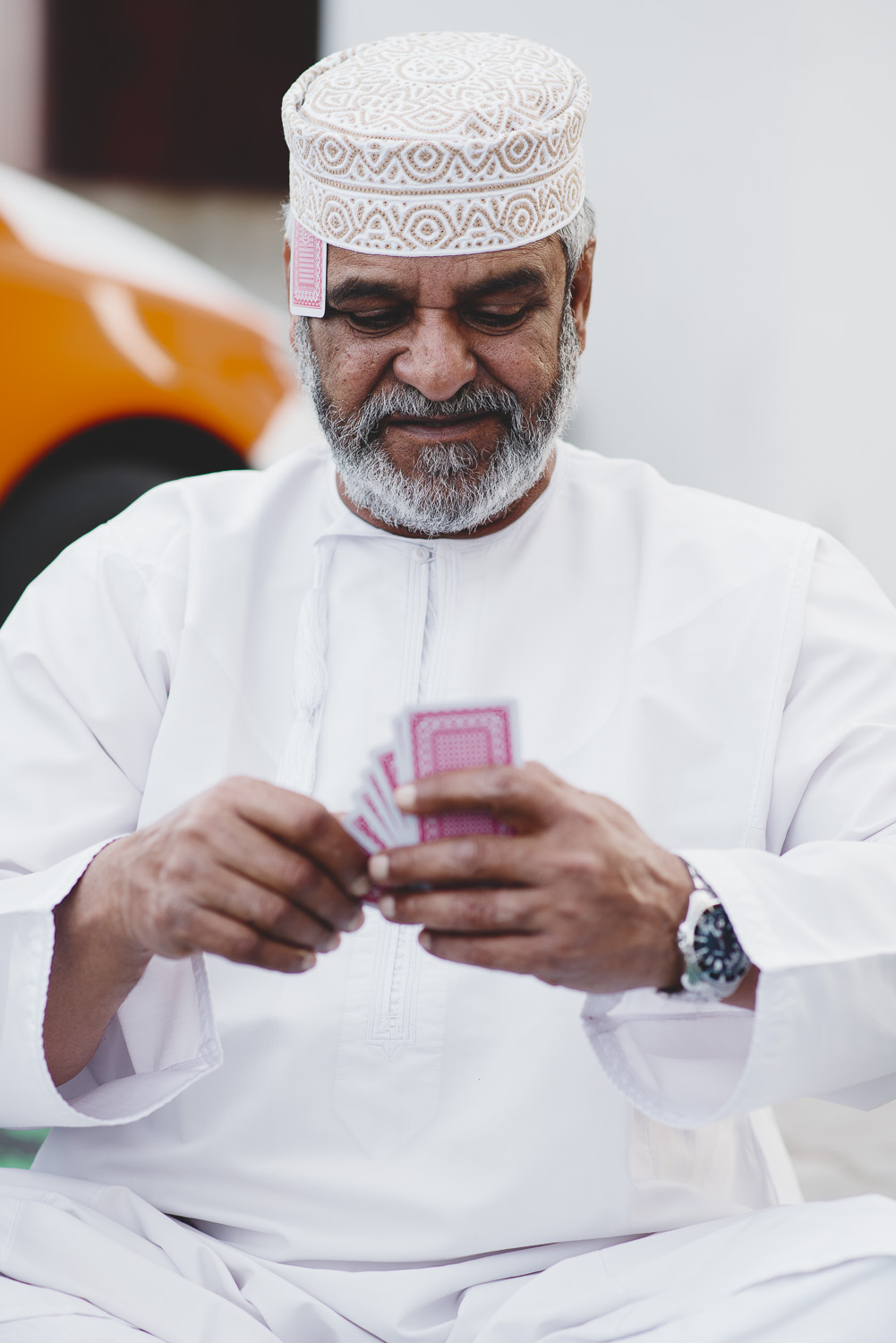
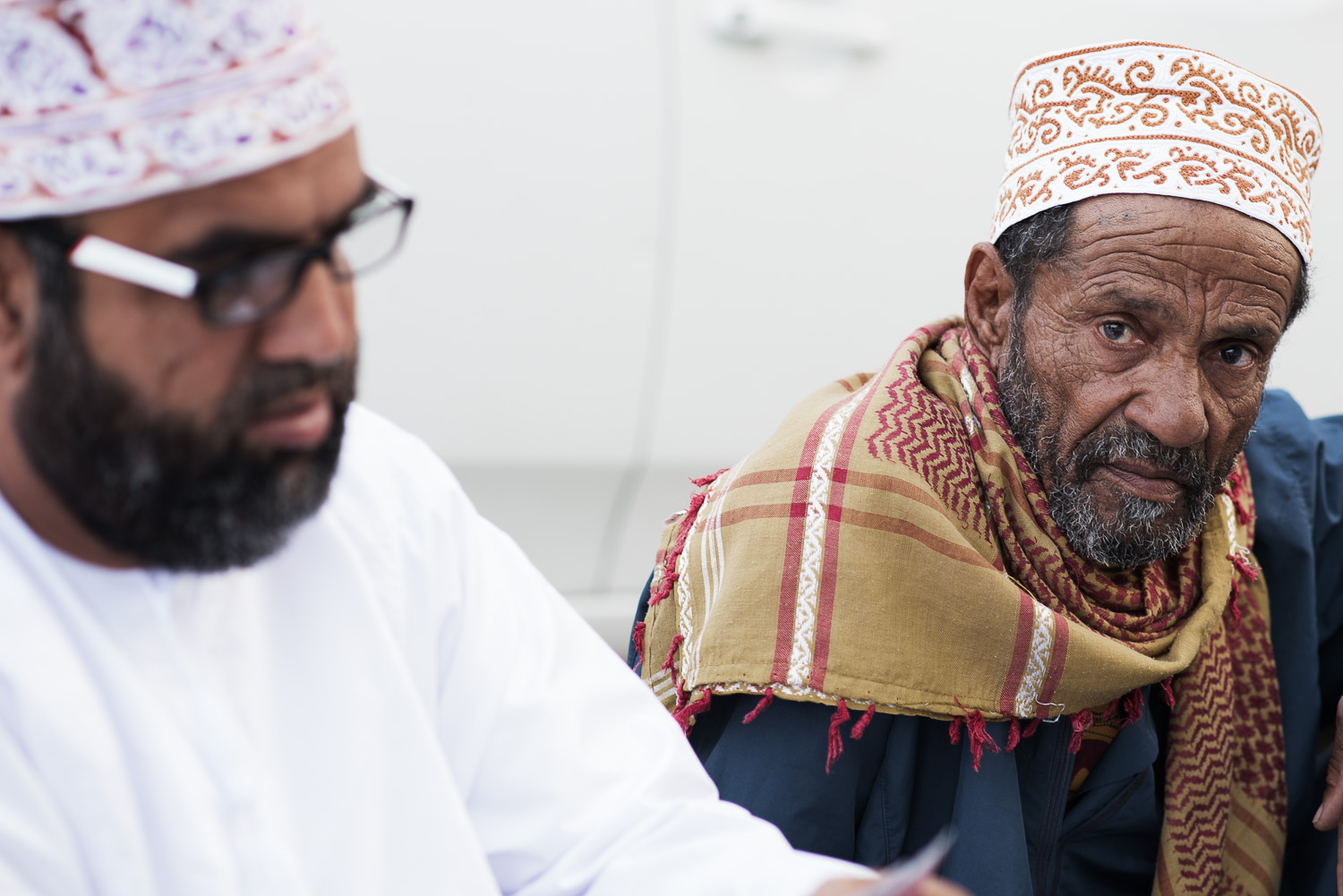
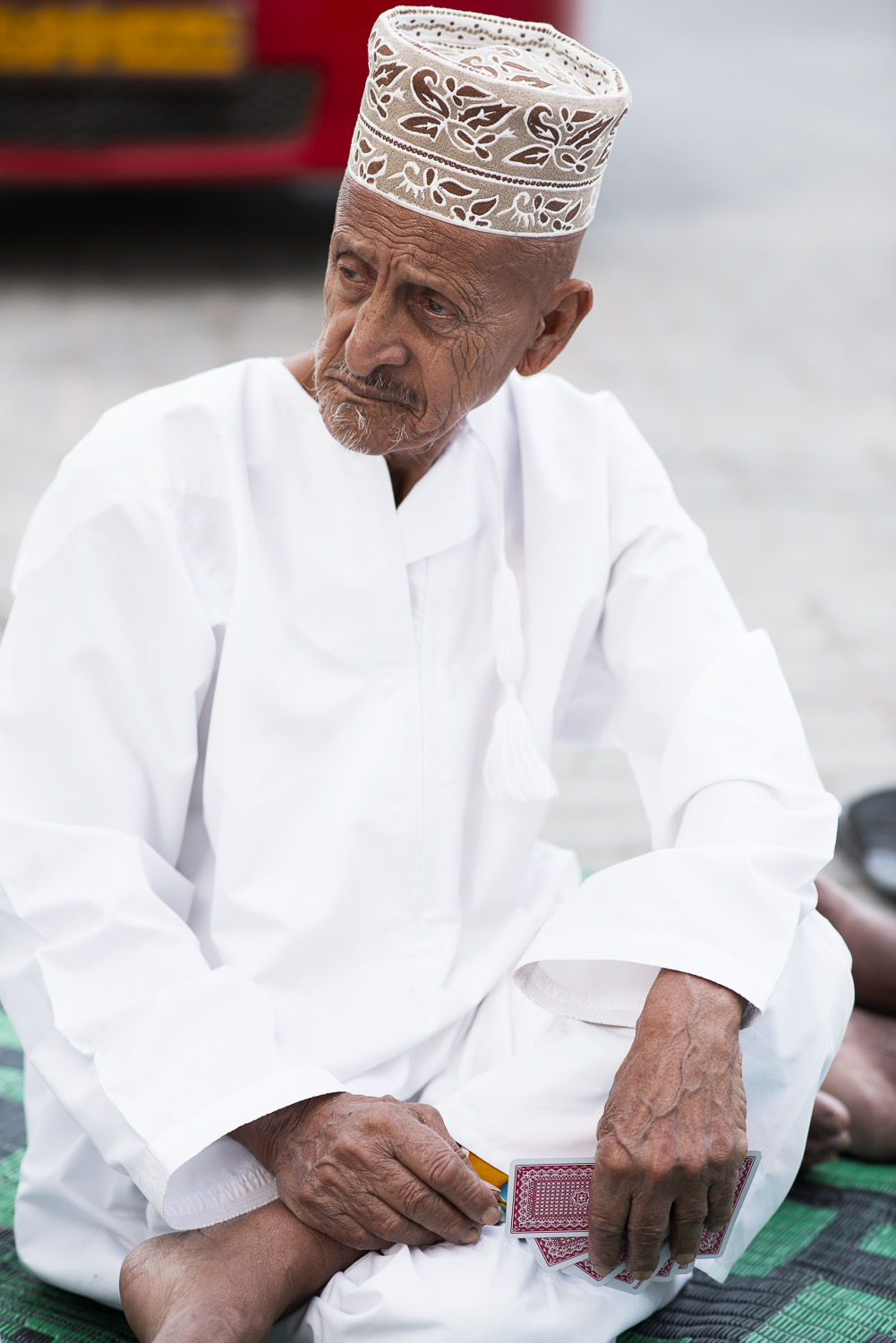
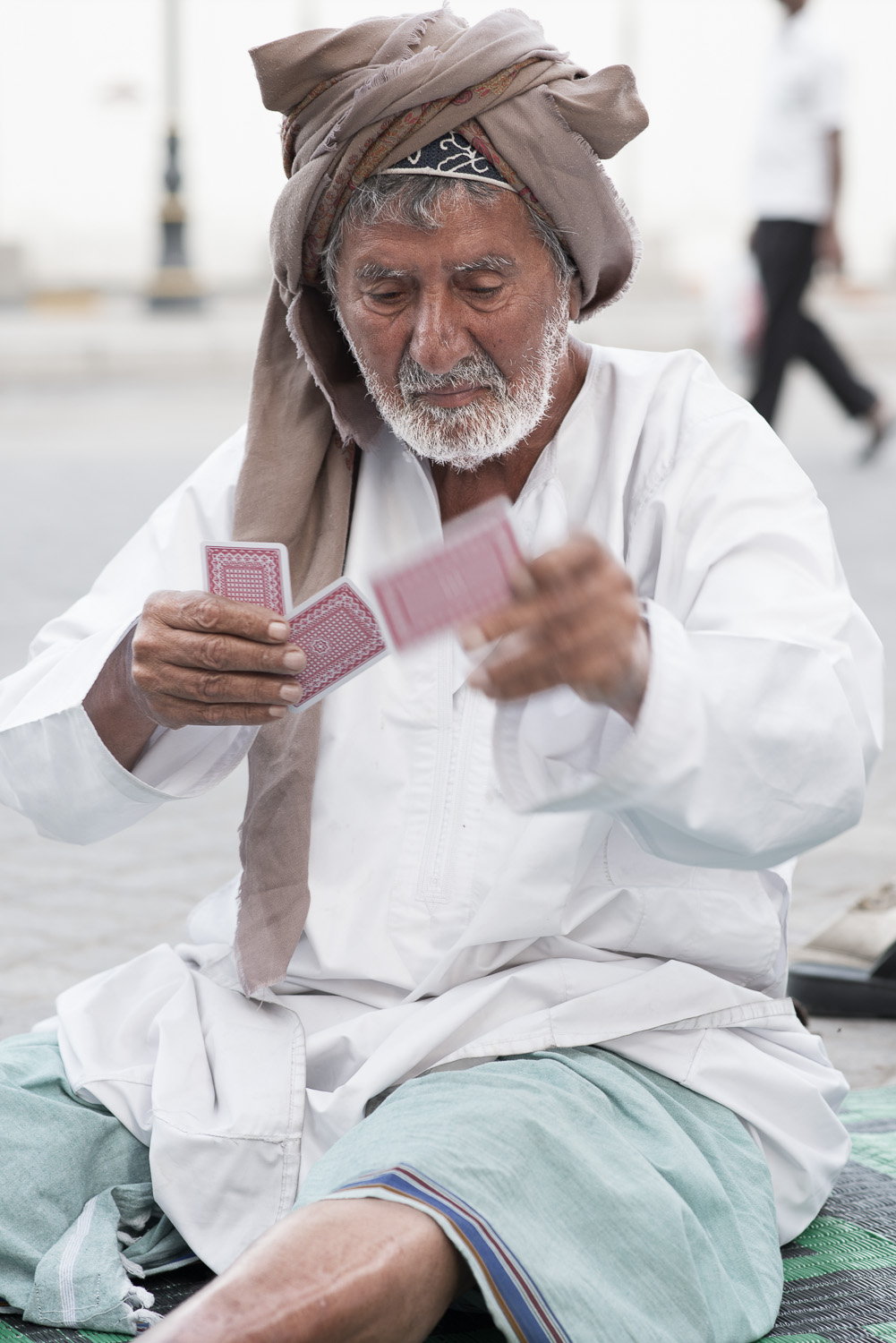
The Card Game
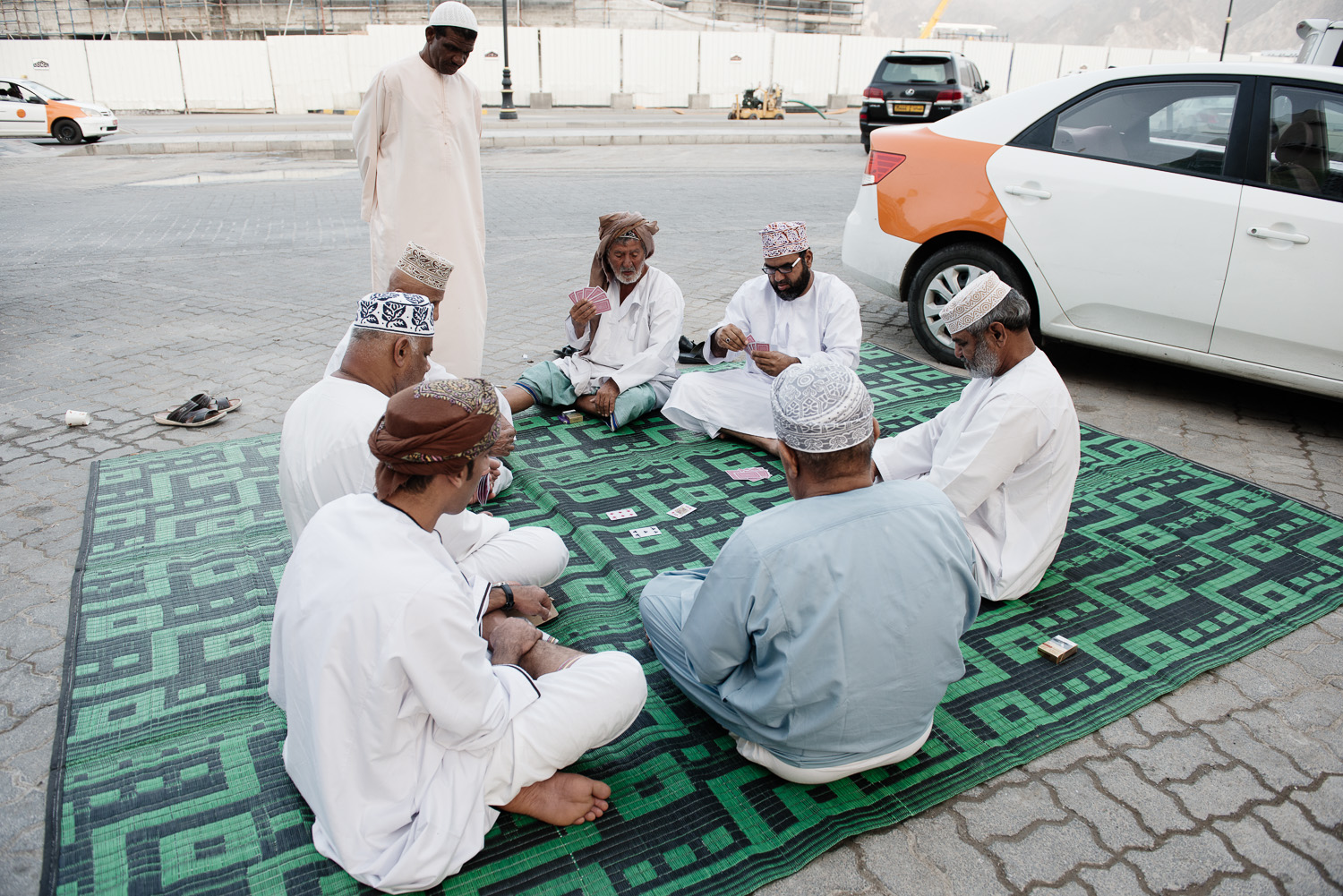
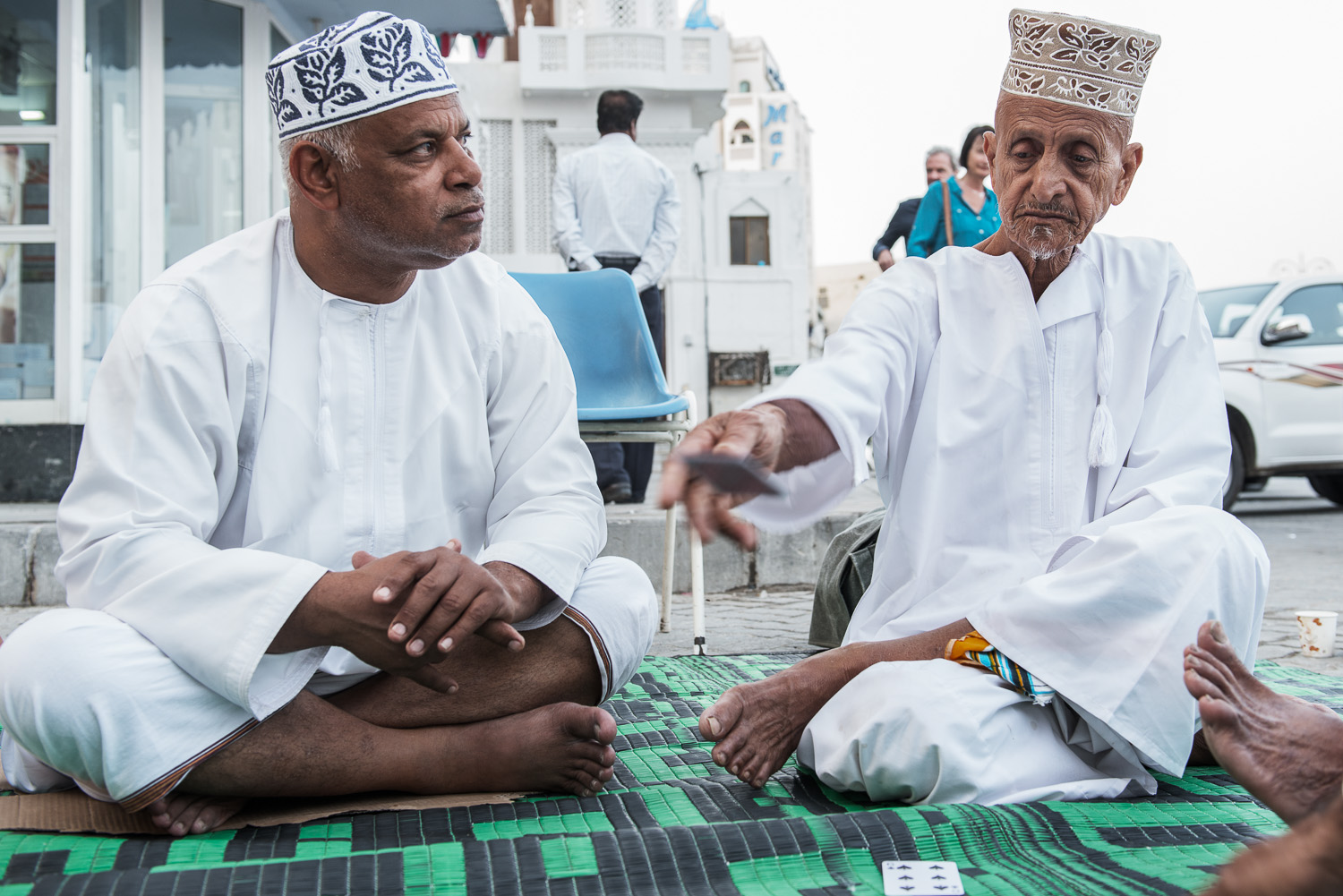
Spending most of my time in Dubai, when ever I visit Muscat I tend to spend most of my time with the family, my last trip was a bit longer then my normal weekend escapes giving me a chance to walk around the older parts of the city and capture some of the aspects of life there.
A group of old friends enjoying their regular card game on parking lot opposite the Matrah Fish Market in Muscat.


Frankincense traders in Mutrah Souq
Frankincense has always been an integral part of Oman’s history and heritage. Mutrah souq remains in important market for many Omanis, despite the spread of modern shopping malls this traditional market offers many local and imported goods from gold and silver jewellery, traditional clothing items, to spices and antiques popular with tourists.
A section of this market is dedicated to Frankincense traders from the Dhofar region these are some of them
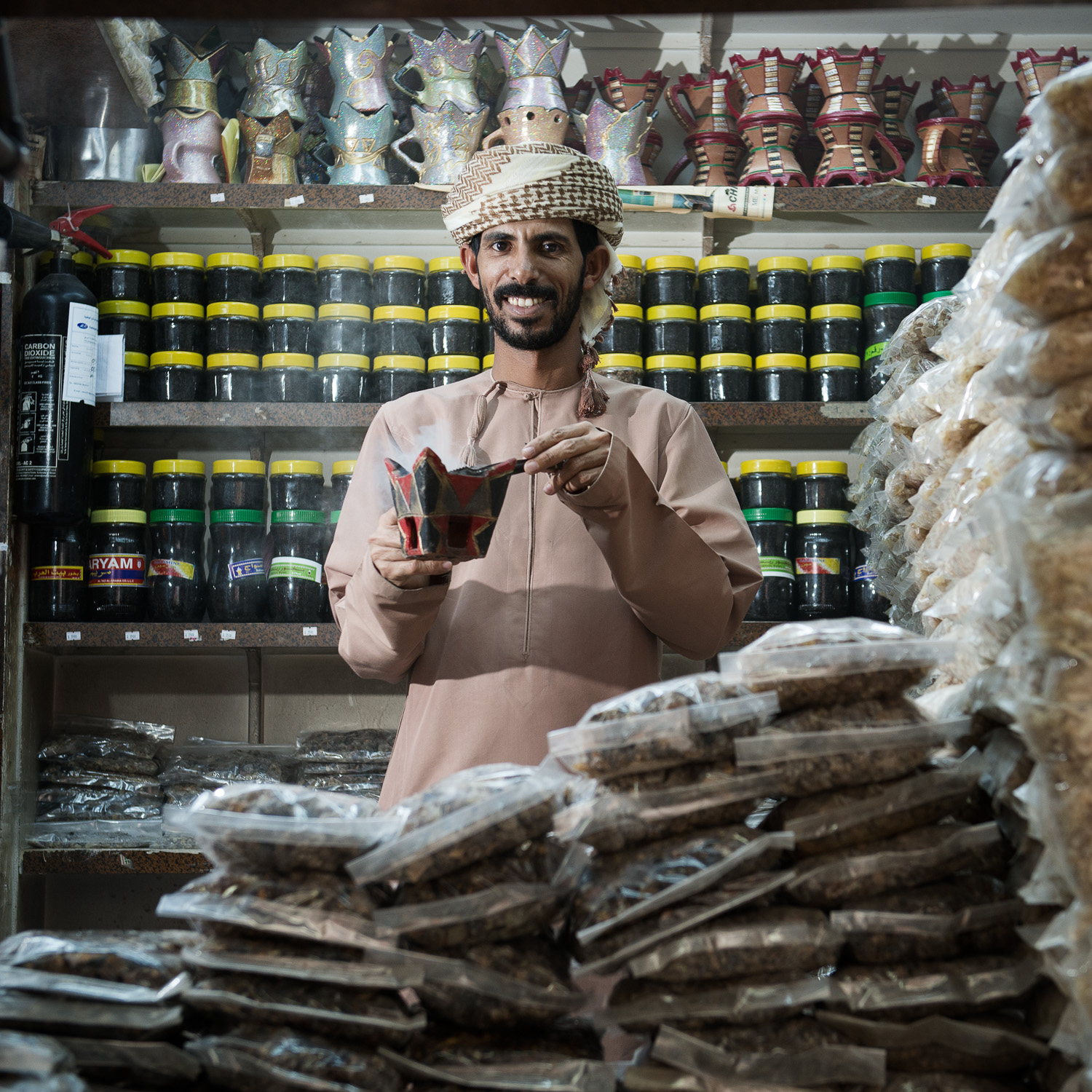
Frankincense trader sampling his product
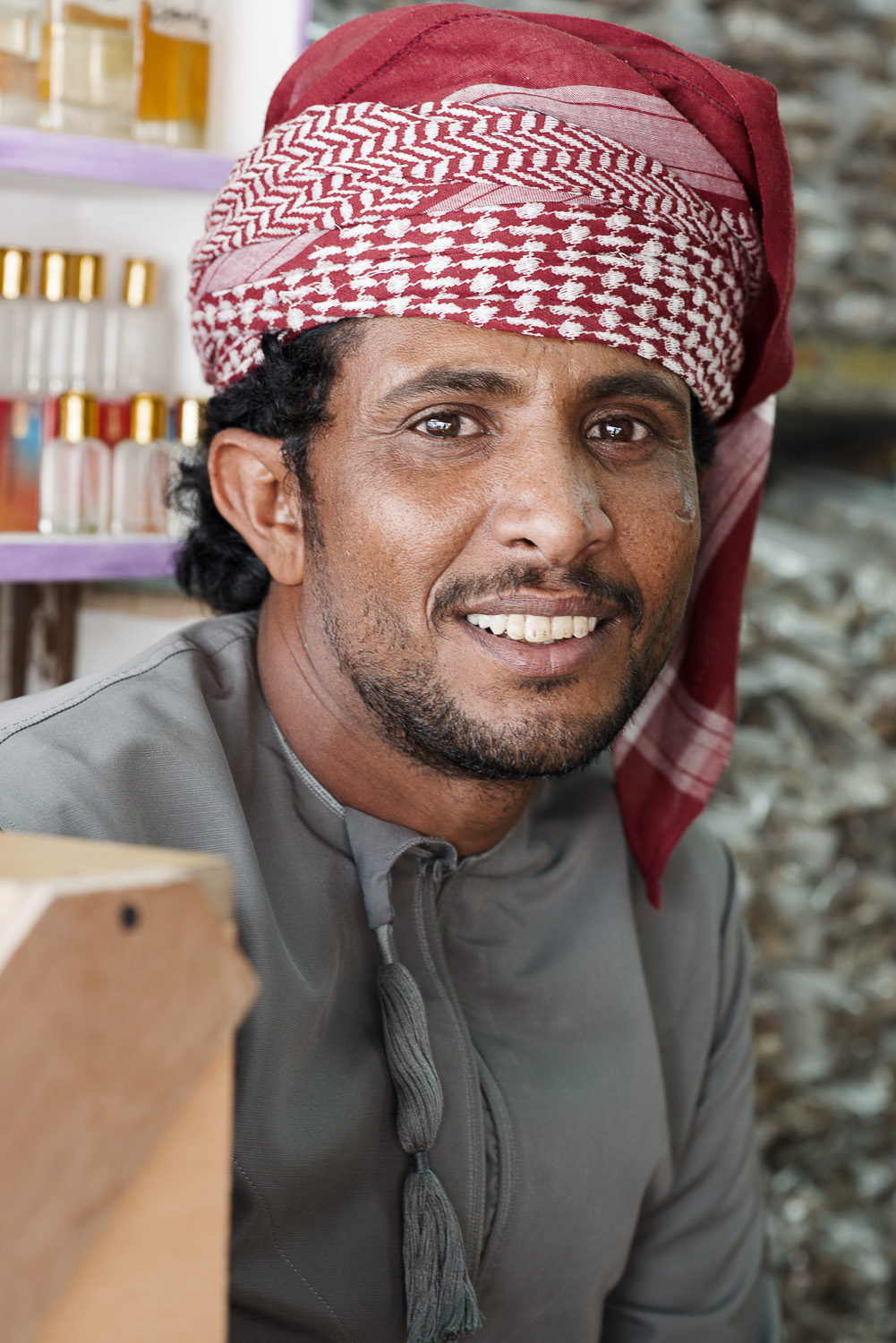
A welcoming smile
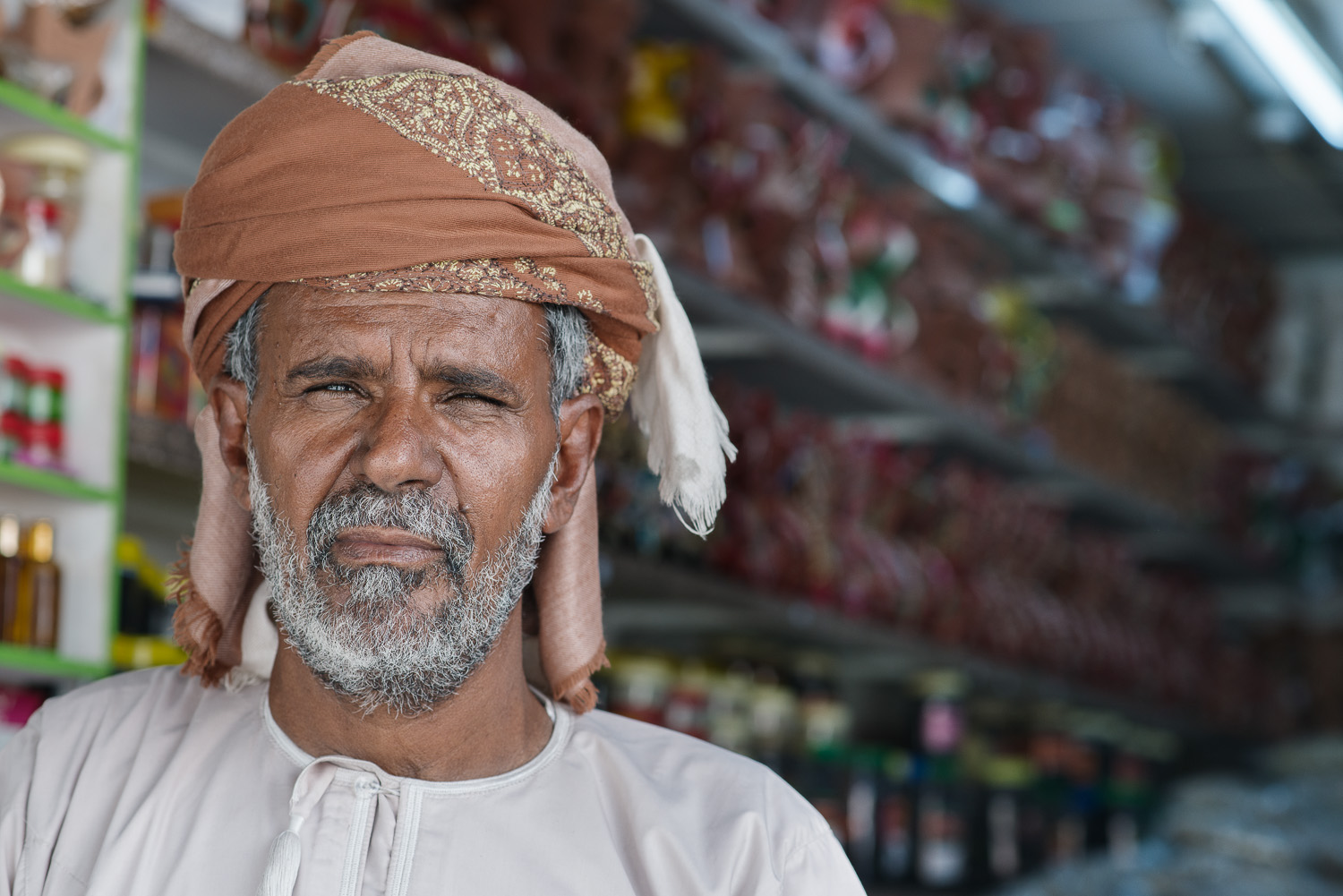
Frankincense trader
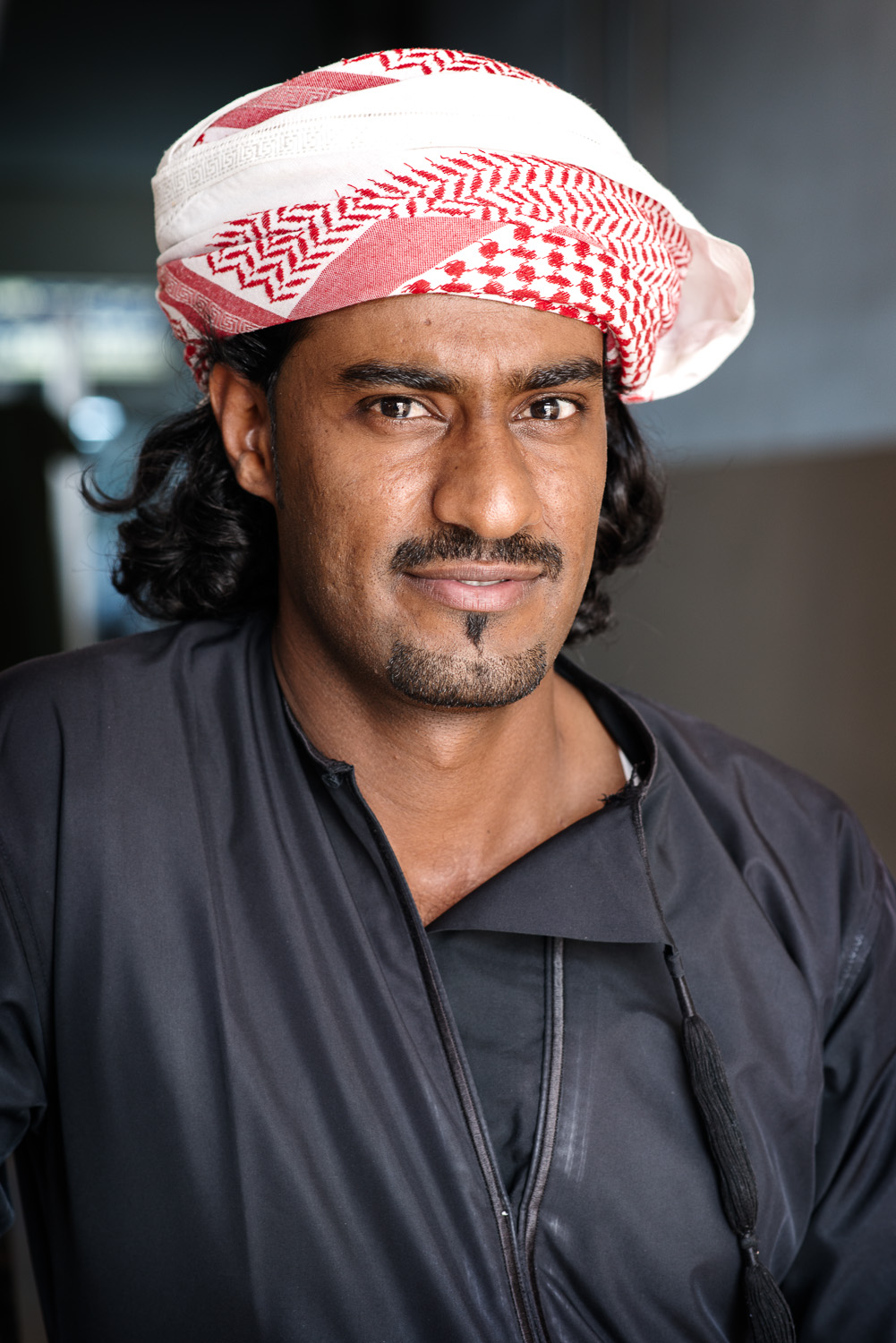
Dubai’s human landscape
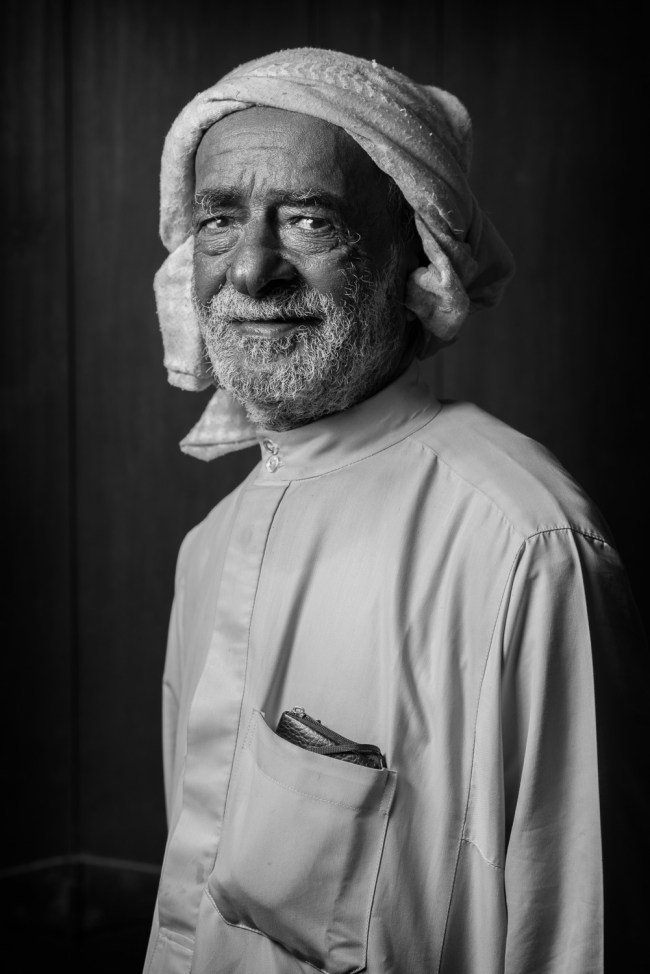
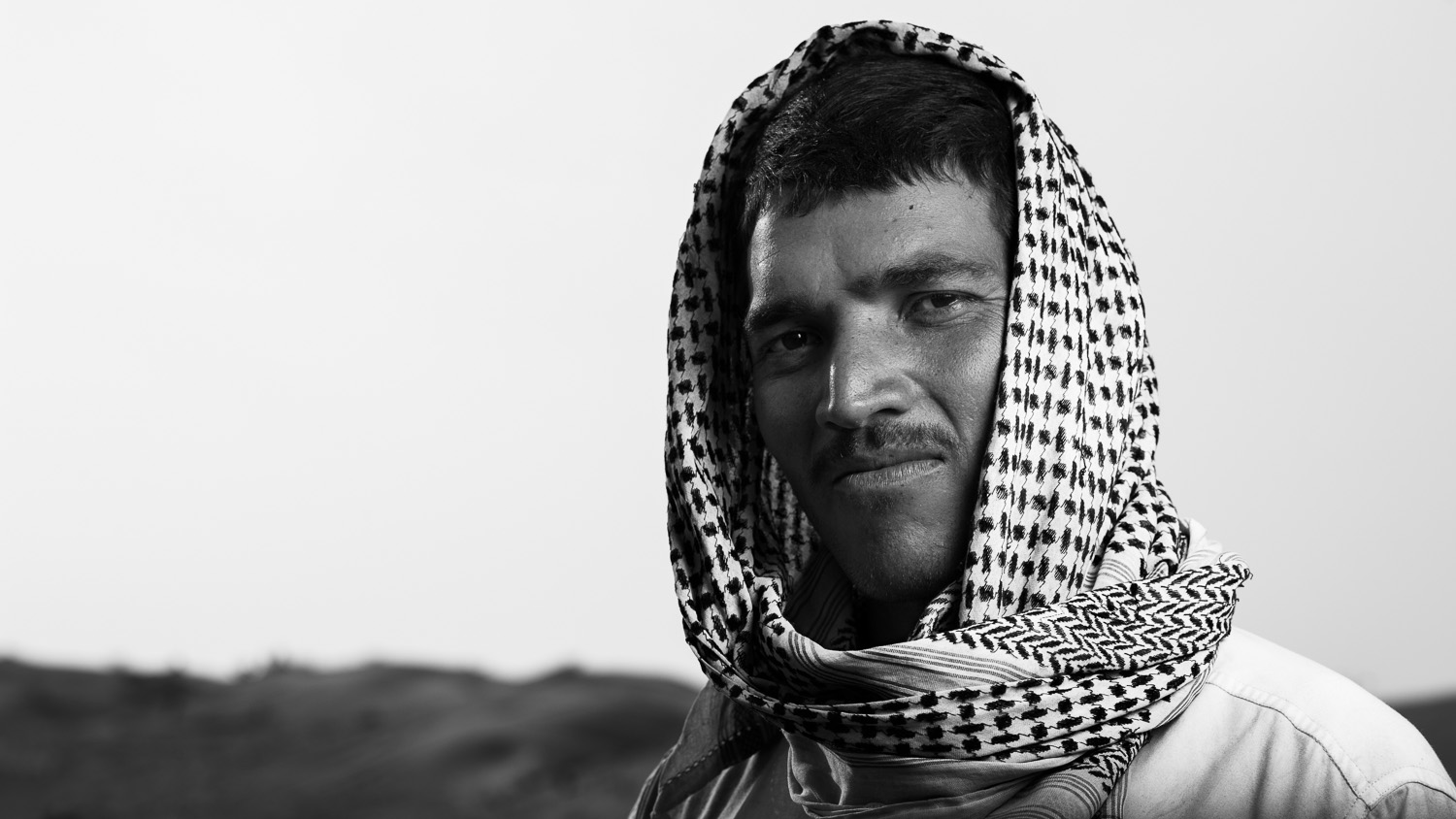
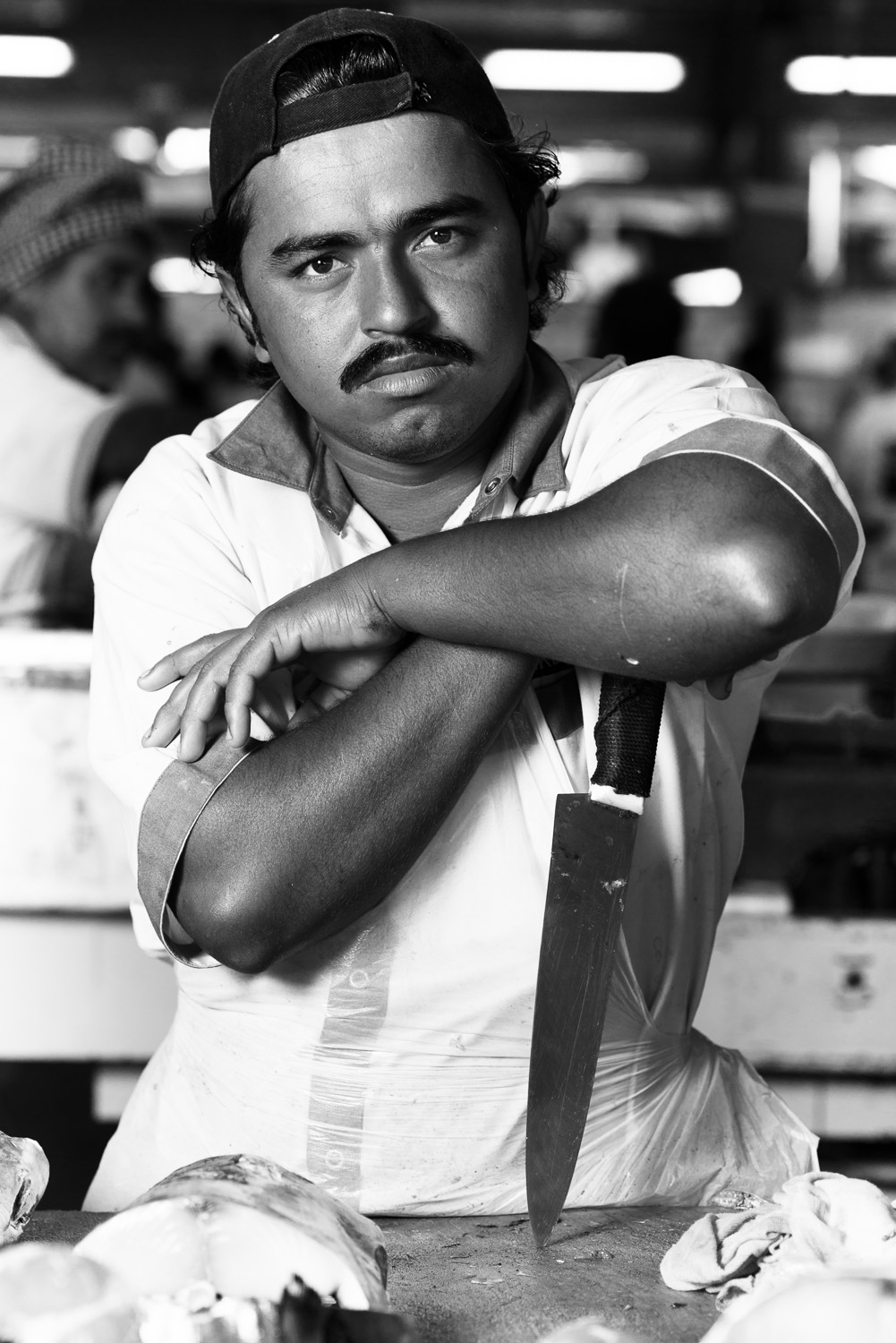
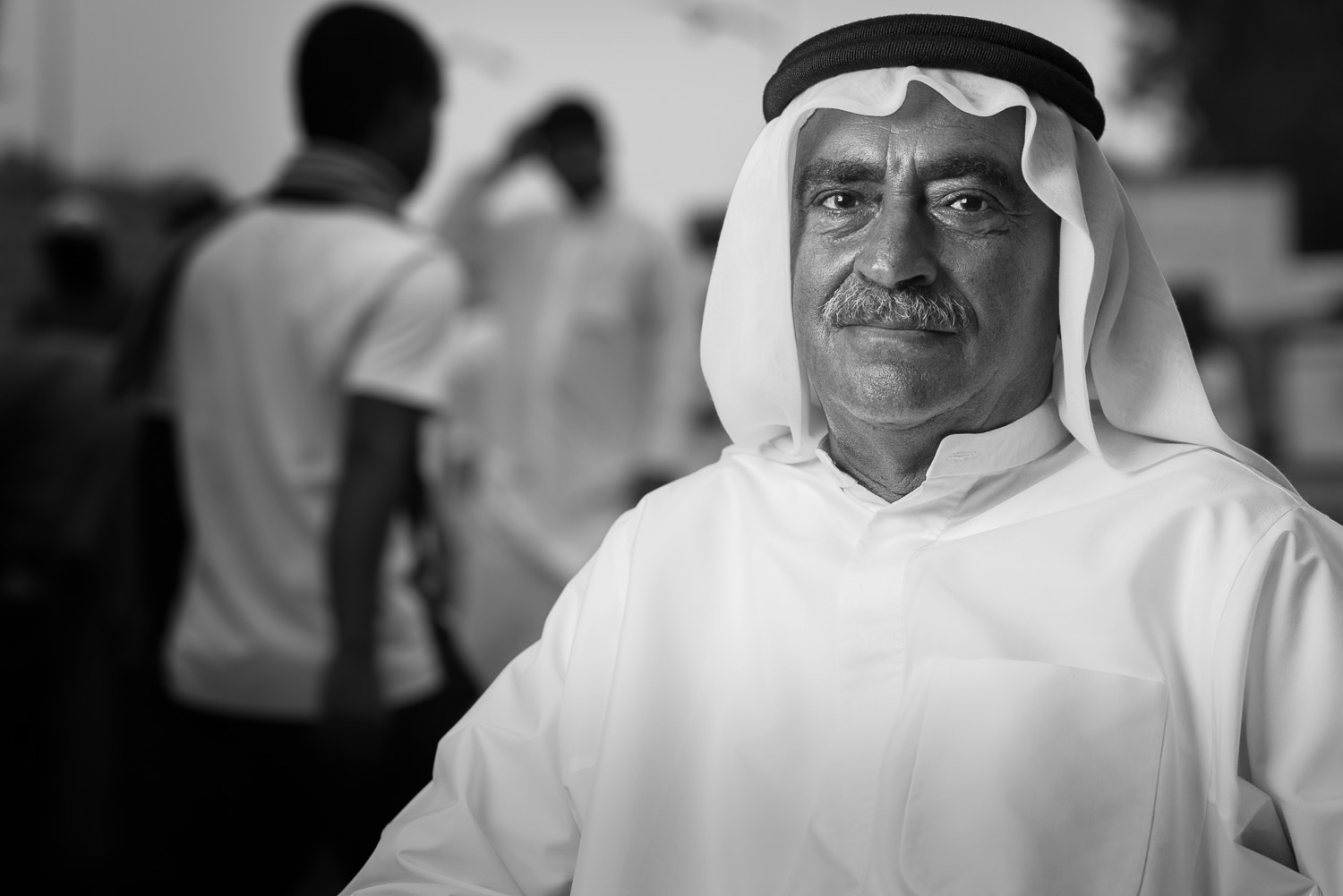
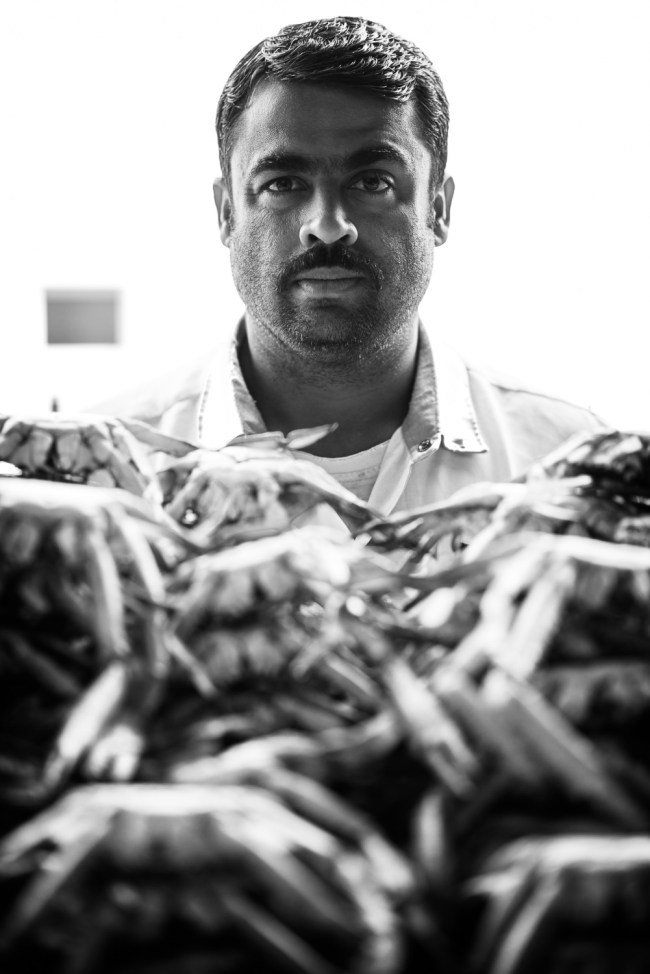
A series of posed environmental portraits from the markets, streets, and deserts of Dubai.
Most of these photographs have been shot with an additional light source complimenting natural light.
The part I enjoy the most when making these portraits is establishing a connection with a total stranger and trying to understand this person enough to decide how to capture them and what to try and highlight about them.
Going cheap might not be cheap after all…
I recently executed a few projects where at one point or another of the project I find out that I am reshooting the project after another photographer!
So you got to the point where you need photographs for your business. Go online, search for photographers, you call a few of the listings that show up online, explain what your requirements are; some will ask you questions, some will want to meet, and some will just give you a price. You review their portfolios, look at your budget and try and make a decision based on the price.
Price is important; you are running a business at the end of the day, but avoid the fatale mistake of going cheap. In many cases going cheap might not only waste you money but would end up wasting your very valuable time as well. Remember time is one resource you can never recover. Some times there won’t be an opportunity to reshoot. I’m not saying you should go with most expensive bid blindly, but I strongly recommend asking a few questions before with the cheap offers:
- Find out how they are planning to shoot your project?
- If they have the necessary experience and knowledge to deliver on your requirements? and expectations?
- Ask about project timelines?
- 300 interior photographs in half a day! how is that different from you snapping with your smart phone?
This dose not mean that your photographer must have shot your exact project before, so do not discount a photographer just because they didn’t shoot your competitors project. Most importantly do you like their vision, and their ideas? If you do, you can still get to work with the more experienced photographer that you like their work by negotiating these points:
- Less final images: revisit your list of shots some shots might not be key and you can live with out them.
- More specific licensing: you might be able to bring the price down by narrowing the usage of the image or reducing the license duration, if you won’t be needing this photograph after a year why should you license if it for Three years? or if you know you will never publish it except online then you don’t need blanket rights to the image!
- Be more specific on your brief: giving a specific brief will help you narrow down the scope of work, and therefor reducing the price.
- Revisit your budget: Is your budget at below or just about covers the lowest bid? then you will need to rethink your budget or your brief.
Just think about the cost of these short term saving might be when you end up with results that are far below your requirements and expectations. Next thing you know you are spending your time looking for another photographer while trying to manage delays with other stake holders of your project.
My friend Nicoline brought this quote John Ruskin * while discussing this blog post with her that I think summarises what I have been talking about very well:
“There is hardly anything in the world that someone cannot make a little worse and sell a little cheaper, and the people who consider price alone are that person’s lawful prey. It’s unwise to pay too much, but it’s worse to pay too little. When you pay too much, you lose a little money – that is all. When you pay too little, you sometimes lose everything, because the thing you bought was incapable of doing the thing it was bought to do. The common law of business balance prohibits paying a little and getting a lot – it can’t be done. If you deal with the lowest bidder, it is well to add something for the risk you run, and if you do that you will have enough to pay for something better.”
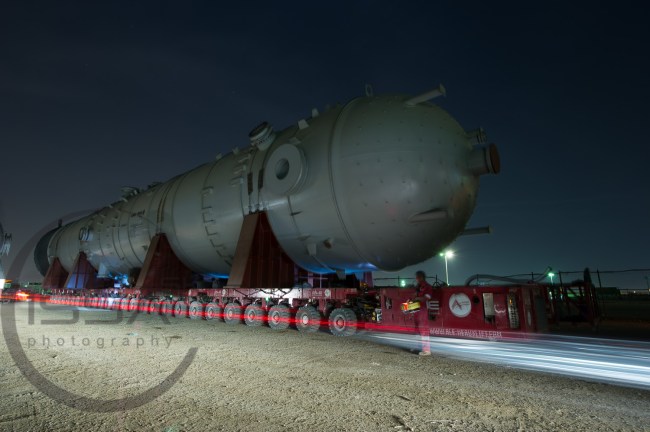
This photograph of a 41 meters 1431 tons that was about to be moved in Abu Dhabi. With a window of about 10 minuets in a dark yard, experience and quick thinking delivered.
Starry night…
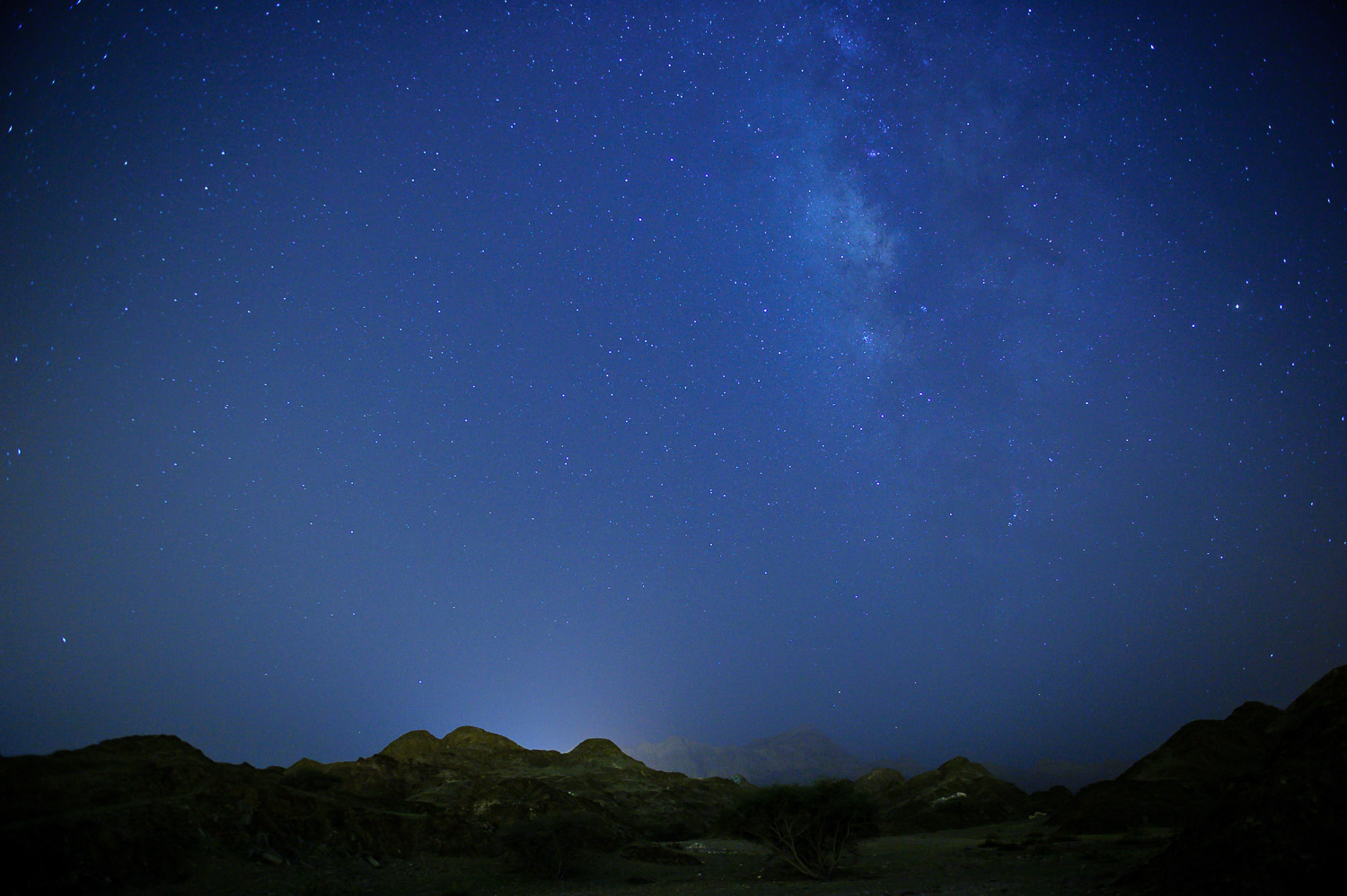
You can clearly see the Milky way on the right side of the image, and if you are unlike my you will also notice the constellation Scorpio on the same side.
This is a 15 sec exposure at f2.8. camera was set up on a telescope tracking mount “A device the compensates for the movement of the earth relative to the sky” keeping the camera pointing on the same direction of the sky.
I was out there trying to capture some star trails, as we were about to leave I placed my camera on my brother’s telescope mount and took a few shoots.
It was a great night out with my brother. though we had planned to only stay for 2 hours we ended up leaving the location just before sunrise.
This image was set up by my brother Hilmi Al-Kindy, you can find some of his work here http://www.astrobin.com/users/Hilmi/
How to get the best from the photographer you hire?
Today more than any point of time images are such an important aspect of your communication strategy and are the first point that speak to your customers, when you invest so much time and effort building your business or your product, do you think it’s right to take a shortcut on how you present it to your potential consumer or customer? After years on the other side of the table having worked in Advertising, Marketing, Sales roles, now I’m on the provider of creative services. I will over this and future blog posts try to share my experiences from booth sides in a way that will help you as a buyer of photography or as photographer make the best out of this experience and get best possible results from this relationship. Working as a photographer in the United Arab Emirates and living in Dubai, offers many exciting opportunities to get involved in very interesting projects and meeting some amazing people. One of the things I really enjoy about spending my time here is the opportunities to interact with highly skilled and talented people in the craft of photography locally and internationally. Besides discussions of technic and style in many occasions we end up talking about the business of photography where we share challenges faced and best practices, there are many reoccurring points in these discussions that I feel if you as client keep in mind, will help you get the best out of the photographer you commission to photograph your product, portrait, life style, editorial, property or create a photo library for you.
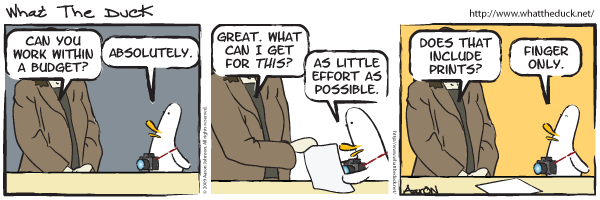
- Budget: This is a big and a touchy one that many customers and photographers shy away from, but is a key element in commissioning a photography project. I am sure you have in been in a situation where you have bought a house, a car or gone on holiday? In all these situations if you did not have a specific amount in mind you would have a specific range that allows you to shop with in that range. Knowing your budget and will help you with the next steps dramatically and make your life and the life of the photographer you are going to work with much easier. I tend to give my client’s an average rate before I ask them for their budget, this allows me to know how far and complex the project can be and also gets me thinking on how I can deliver best possible results within this budget since there are other cost elements in a project that need to be accounted for and considered, it’s not about haggling or trying to swindle the client “A happy client is returning one who will send more business your way”. If you want to be more specific break it down so think of how much is that total and what you want to spend on Location, Models, Props in addition to the photographer’s fee. so take a moment and think about how much you are willing or can afford to invest on your project before you pick up the phone or go online. oh and never answer with “I don’t have a budget” because nothing says you are not prepared or not serious more than this statement.
- List of shots: This one might take time but will be something you will be grateful for when you are working on your project or when images are delivered. this is your shopping list it shouldn’t be restrictive but will help you and your photographer deliver on and not miss key requirements.
- Specific and detailed brief: We photographers are creative people and most of us enjoy a good challenge one that is offered by a clear and specific brief, this is a challenge that is beneficial to you as a client because it ensures that you get what expect from the time and effort invested on your photography project. a large part of photography is problem solving where we take a client’s brief and convert it to images. I find a lot of satisfaction when I combine my technical skills in a creative way to deliver an image that answers to the client’s brief. As a commercial photographer the hat a I have on is different from what I would have on when I’m shooting in the streets for myself or when I experiment with ideas in the studio. A good brief does not describe the outcome; but rather addresses
- Time frame: This is a very important aspect of your investment when you commission any sort of project, unlike many aspects of your investment this is one that can not be recovered once lost.Think carefully about your time frames and be realistic about them. Start from the end; when do you need the final images delivered? how much time will it take and how much time are you willing to spend? discuss these timelines openly with your photographer. Don’t wait until the last moment to pick up the phone or to send that email. One of the worst things you can tell a photographer along with “We don’t have budget” is “We need them as soon as possible” there is nothing wrong with being in a hurry but be realistic with your time lines. This will help you work in a more relaxed way and ensure that you get the most out of your photographer.
- Image usage: How and where are you planning to use these images besides copyright issues is how these images will be produced and what is the final output of the photographs delivered to you. keep in mind that these images are the livelihood of the photographers who produce them for you, so being clear on how plan on using these images is a fair business practice that I am sure you are more than a supporter of fair trade.
I am sure I haven’t covered everything that you might face as a client out there while trying commission a photographer, and that these points mainly apply to commercial photography but I hope reading this will make your next photography project more productive, interesting, creative and fun.
Also why don’t you share some of your experiences as a photography client or a photographer?
Issa\’s Blog


Recent Comments
Kaleb Stone on 7 years in Dubai Loreen Walker on The Art of Giving Back Sam Coran on Eyes on the Lens Sam Coran on NURTURING CREATIVITY: A M… Painting Services Du… on Press Pause


 IssaSK Photography